How to remove standing water from your yard
Discover effective methods for removing standing water from your yard in Conroe, TX, and when to seek professional help.
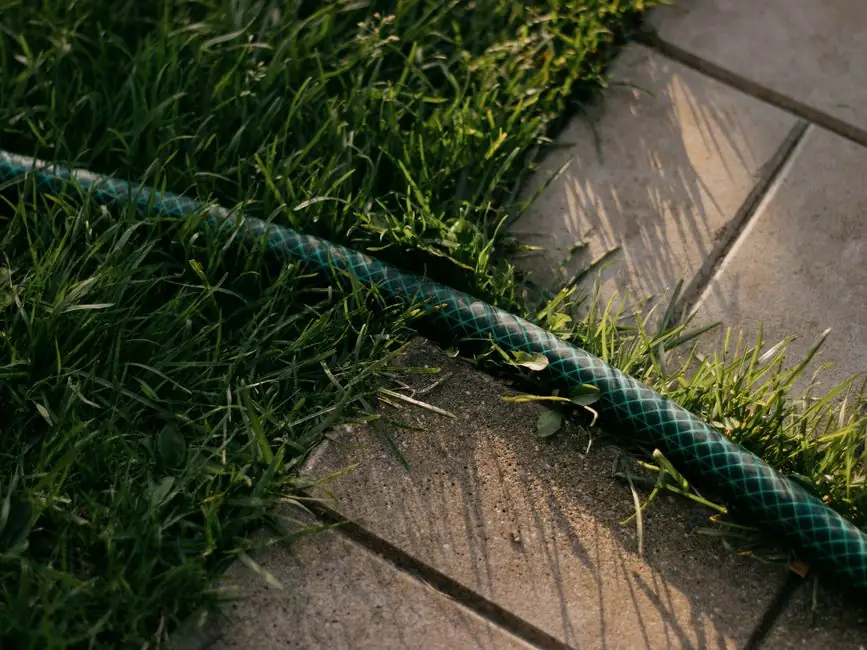
Standing water in your yard can lead to numerous problems, including damage to your landscaping and health risks. To effectively remove standing water from your yard, you can employ several methods, depending on the severity of the situation and your specific landscape.
In this guide, we will explore effective techniques for standing water removal, tools you may need, and when to call for professional help in Conroe.
What is standing water?
Standing water is any accumulation of water that remains in one place for an extended period, typically more than 24 hours. This often occurs after heavy rainfall, flooding, or improper drainage.
Why is standing water a problem?
Standing water poses several risks, including:
- Health risks: It can become a breeding ground for mosquitoes, which can spread diseases.
- Property damage: Prolonged exposure can damage your landscaping, foundation, and even lead to mold growth.
- Soil erosion: Excess water can erode the soil, affecting the stability of your yard.
How to remove standing water from your yard
To effectively remove standing water in Conroe TX, consider the following methods:
1. Improve drainage
Ensure your yard has proper drainage systems in place. This may include:
- Installing French drains
- Creating swales to redirect water
- Using dry wells to absorb excess water
2. Use a pump
A submersible pump can be an effective way to remove water quickly. Choose a pump with sufficient capacity to handle the volume of water in your yard.
3. Aerate the soil
Aerating your yard can help improve drainage by allowing water to seep deeper into the ground. This can be done using a garden fork or a mechanical aerator.
4. Create a rain garden
A rain garden is a planted depression that allows rainwater runoff from impervious areas to be absorbed. This helps manage water and prevents pooling.
Best ways to remove standing water in your yard
Among the best ways to remove standing water in your yard, the most effective methods include:
- Installing drainage systems: These can be tailored to your yard's specific needs.
- Utilizing pumps: For immediate removal, especially after heavy rains.
- Landscaping adjustments: Modifying the landscape to encourage proper water flow.
What tools do I need to remove standing water?
To effectively address standing water, you may need the following tools:
- Submersible pump
- Garden fork or aerator
- Shovels for digging drainage ditches
- Soil amendments to improve drainage
Common mistakes when dealing with standing water
When attempting to remove standing water, avoid these common mistakes:
- Ignoring the source: Address the root cause of the standing water, such as poor drainage.
- Using inadequate tools: Ensure you have the right equipment to handle the amount of water.
- Neglecting yard maintenance: Regularly inspect your yard for drainage issues.
When to call a professional
If standing water persists despite your efforts, it may be time to call in professionals. Conroe Water Removal offers expert solutions for water removal in Conroe, Texas. They can assess your situation and provide effective solutions tailored to your yard's needs.
Frequently Asked Questions
What are the dangers of standing water in my yard?
Standing water can lead to mosquito breeding, mold growth, and property damage, making it a serious concern for homeowners.
How much does standing water removal cost in Conroe?
The cost for standing water removal in Conroe typically ranges from $150 to $500, depending on the severity and methods used.
What tools do I need to remove standing water?
Essential tools include a submersible pump, garden fork or aerator, shovels for digging, and soil amendments to improve drainage.