Ceiling water damage repair: DIY or hire a pro?
Decide between DIY and professional help for ceiling water damage repair in Conroe. Understand costs, signs, and best practices.
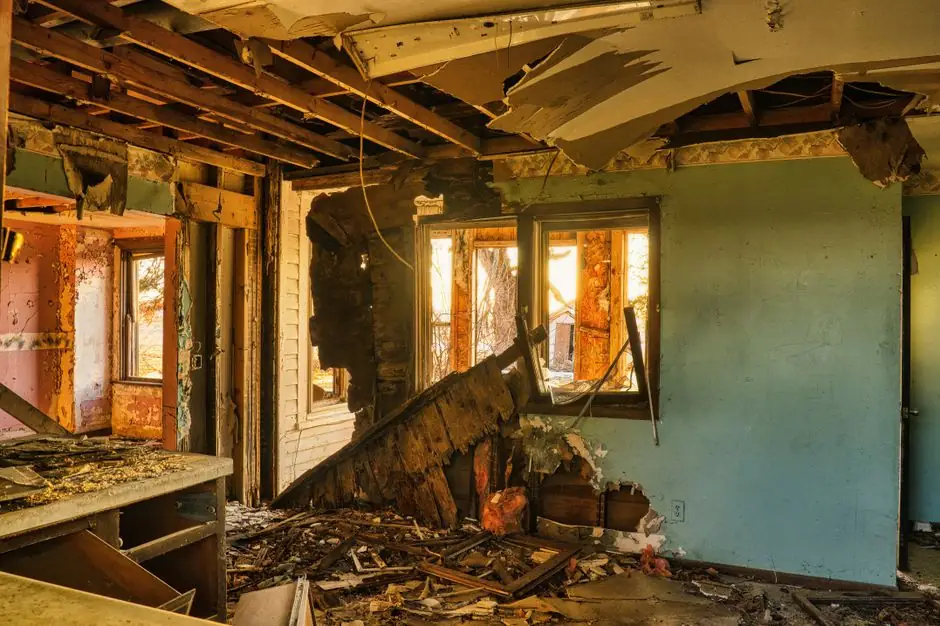
Ceiling water damage repair can either be a DIY project or a job for a professional, depending on the extent of the damage. If you notice discoloration, sagging, or leaks, it's crucial to assess whether you can handle the repairs yourself or if you should hire a pro.
This article will guide you through the signs of ceiling water damage, DIY repair options, costs for hiring professionals, and best practices to ensure your ceiling is restored effectively.
What is ceiling water damage repair?
Ceiling water damage repair is the process of fixing and restoring ceilings that have suffered damage due to water intrusion. This can occur from leaks in roofs, plumbing issues, or condensation problems, and addressing it promptly is vital to prevent further deterioration.
Signs of ceiling water damage
Identifying ceiling water damage early can save you from more extensive repairs later. Common signs include:
- Discoloration or yellow stains on the ceiling
- Sagging or bulging areas
- Peeling or bubbling paint
- Visible mold growth
- Water dripping from the ceiling
If you notice any of these signs, it's essential to investigate the source of the moisture and determine the necessary repairs.
DIY ceiling water damage repair in Conroe
Many homeowners in Conroe choose to tackle minor ceiling water damage repairs themselves. Here's how to approach it:
- Assess the damage: Determine how extensive the damage is. For minor stains, you may only need to repaint. For sagging or significant water damage, you might need to replace sections of drywall.
- Stop the source: Before making any repairs, ensure the source of the water damage is fixed. This may involve repairing a roof leak or fixing plumbing issues.
- Dry the area: Use fans and dehumidifiers to dry out the affected area thoroughly. This step is crucial to prevent mold growth.
- Repair the ceiling: For small stains, clean the area and repaint. For larger repairs, cut out the damaged drywall and replace it with new material. Ensure proper sealing and painting afterward.
While DIY repairs can save money, ensure you have the right tools and skills. If the damage is extensive, consider contacting a professional for Ceiling Water Damage Repair Conroe TX.
Cost of hiring a pro for ceiling repair in Conroe
The cost of hiring a professional for ceiling repair in Conroe can vary based on the extent of the damage and the type of materials used. On average, homeowners can expect to pay between $300 and $1,500 for repairs. Factors influencing the cost include:
- The size of the damaged area
- Type of ceiling material (drywall, plaster, etc.)
- Labor costs in the Conroe area
- Additional repairs needed (e.g., roof or plumbing repairs)
In many cases, hiring a professional can save you time and ensure the job is done correctly. If you're unsure about the extent of the damage, it's wise to consult with experts in Water Removal Conroe TX.
Best practices for ceiling water damage repair
When addressing ceiling water damage, following best practices ensures a successful repair. Here are some key recommendations:
- Always identify and fix the source of the water damage before making repairs.
- Use high-quality materials to ensure durability and longevity.
- Consider applying mold-resistant paint after repairs to prevent future issues.
- Keep the area well-ventilated during and after repairs to aid drying.
By adhering to these practices, you can enhance the effectiveness of your repairs and reduce the likelihood of recurring issues.
When to call a professional
Knowing when to call a professional for ceiling water damage repair is crucial. If you encounter any of the following situations, it's time to seek expert help:
- The damage covers a large area or multiple rooms.
- You notice mold growth or persistent moisture.
- There are structural concerns, such as sagging ceilings.
- You are unsure of the source of the water damage.
In these cases, professionals like Conroe Water Removal can assess the situation and provide effective solutions.
Frequently Asked Questions
Should I hire a professional for ceiling water damage repair in Conroe? Yes, if the damage is extensive or you are unsure about the repair process. Professionals have the expertise to ensure the job is done correctly.
How much does ceiling repair cost in Conroe? The average cost for ceiling repair ranges from $300 to $1,500, depending on the extent of the damage and materials used.
What are the signs I need a pro for ceiling repairs? Signs include extensive damage, mold growth, or structural issues. If in doubt, consult a professional.
Can I prevent ceiling water damage? Regular maintenance, such as checking for roof leaks and ensuring proper ventilation, can help prevent water damage.
What should I do if I find mold in my ceiling? If you discover mold, it's best to call a professional for safe removal and to address the source of moisture.